Mindfull movement, breath and meditation for whole person well-being.
Yoga is a holistic mind-and-body practice that brings together physical postures, mindful movement, breathing awareness, relaxation and meditation.
Although many people first approach yoga to improve flexibility or fitness, its purpose can extend beyond physical exercise. A thoughtful yoga practice encourages you to notice how your body feels, observe your breathing, recognise patterns of tension and respond to yourself with greater patience and awareness.
At COR Healing Hub, yoga is offered as a complementary wellbeing practice. Sessions are designed to help you move comfortably, slow down, reconnect with your body and cultivate a calmer, more balanced state of mind.
Depending on your needs and physical abilities, guided yoga may support you in:
- Improving flexibility and comfortable movement
- Developing strength, stability and balance
- Becoming more aware of posture and physical tension
- Creating time for relaxation
- Developing greater awareness of your breathing
- Supporting concentration and present-moment awareness
- Establishing a consistent self-care routine
- Responding to everyday stress more thoughtfully
- Improving confidence in movement
- Creating a deeper connection between body and mind
- Preparing the body and mind for meditation
- Cultivating patience, acceptance and inner steadiness
Yoga is not a guaranteed treatment or cure for medical or psychological conditions. Its potential value comes from regular, appropriately adapted practice combined with realistic self-care and, when necessary, qualified healthcare.
What is Yoga?
Yoga is an ancient practice with roots in Indian philosophy and spiritual traditions. The word yoga is often translated as “union,” reflecting the traditional idea of creating greater harmony between different aspects of human experience.
Modern yoga sessions may include:
- Physical postures known as asanas
- Gentle stretching and mobility exercises
- Strength and balance movements
- Breathing awareness
- Traditional breathing practices known as pranayama
- Meditation
- Mindfulness
- Relaxation
- Mudras or hand gestures
- Mantras or affirmations
- Personal or spiritual reflection
Not every session includes all these elements. Some styles are physically active, while others focus more on slow movement, supported postures, breathing or meditation.
A suitable practice should reflect your goals, physical condition, experience and personal preferences.
Yoga at COR Healing Hub
Yoga sessions at COR Healing Hub are designed to offer a gentle and supportive space for mindful movement, relaxation and self-connection.
Rather than forcing the body into difficult positions, the focus is on practising with awareness. You may be encouraged to notice what feels comfortable, where you are holding tension and how your breathing changes during movement.
Depending on your needs, a session may include:
- A conversation about your goals and present wellbeing
- A review of relevant health concerns or physical limitations
- Gentle preparation and joint movement
- Comfortable yoga postures
- Balance and stability exercises
- Mindful transitions between positions
- Natural breathing or appropriate breathing practices
- Body-awareness guidance
- Meditation or quiet reflection
- Guided relaxation
- Adaptations using cushions, chairs, blocks or straps
- Time to discuss your experience
- Suggestions for safe home practice
You remain in control throughout the session. You may rest, change a posture, keep your eyes open, breathe normally or stop an exercise whenever necessary.
Yoga should not be painful, competitive or based on achieving a perfect physical shape.
Faq.
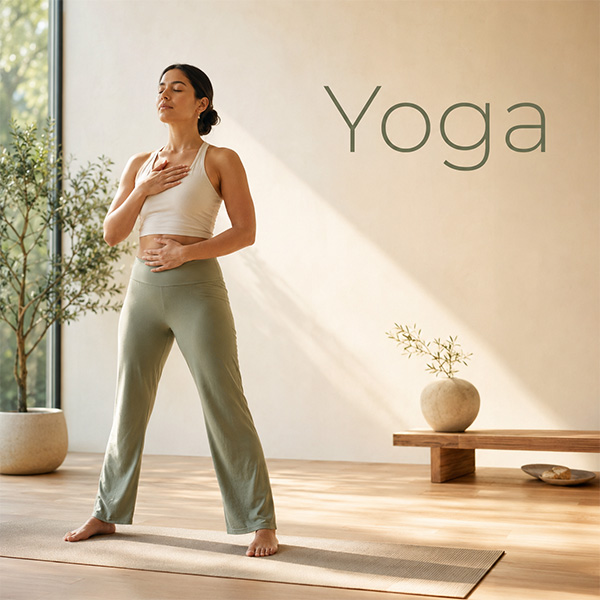
Book Your Guided Online Yoga Session
Important notice: Yoga at COR Healing Hub is a complementary movement and wellbeing practice. It is not medical treatment, physiotherapy, psychological therapy or a substitute for professional healthcare. Yoga does not diagnose, treat or cure medical or mental-health conditions, and no specific result is guaranteed. Certain postures, breathing practices and meditation techniques may be unsuitable for some people. Consult an appropriately qualified healthcare professional when you have a medical condition, injury, pregnancy, significant pain or concerns about starting physical activity. Stop practising if you experience pain, chest discomfort, breathing difficulty, faintness, neurological symptoms or significant emotional distress. In an emergency or mental-health crisis, contact an appropriate emergency or crisis-support service immediately.